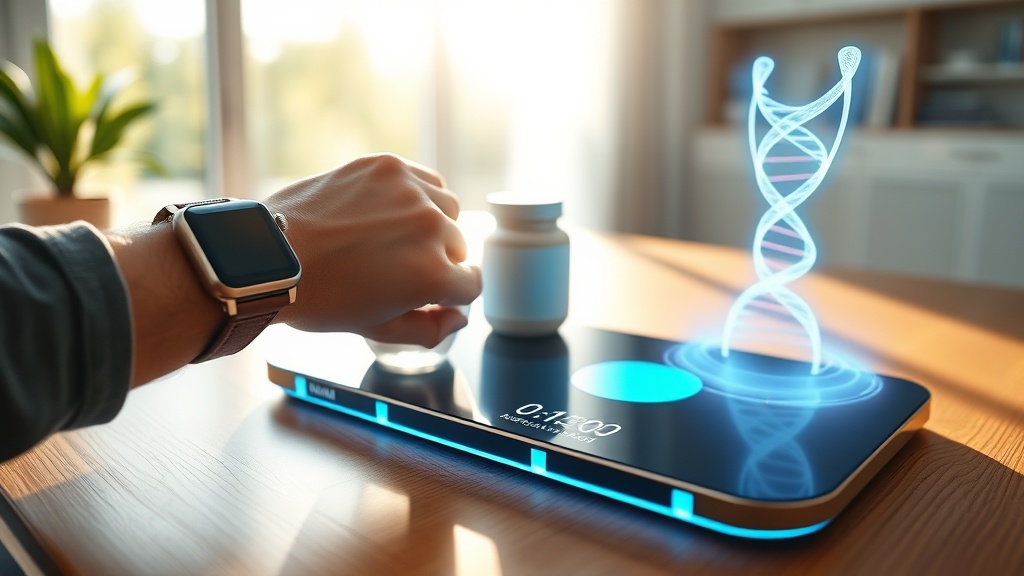
6 Pillars for an Age‑Defying Lifestyle in 2026

Alright, let's talk longevity. You’ve heard the hype—“drink this miracle juice” or “wear this sensor‑laden bracelet” promises you’ll stay 20 years younger. But most of that marketing is as flimsy as a cheap phone case. What if you could actually back your anti‑aging game with hard‑data, no‑fluff steps you can start this spring?
Why does spring matter for an age‑defying reset?
Daylight Saving just rolled over, and the extra daylight isn’t just for longer Instagram scrolls. Our bodies are wired to sync with natural light cycles; a sudden shift can reboot circadian rhythms, boost vitamin D production, and improve sleep quality—all foundational for cellular repair. That’s why the New York Times feature and an accompanying Esquire deep‑dive both spotlight six pillars that are especially actionable in spring.
What are the six pillars?
1. Sleep Optimization – How to Get Real Rest, Not Just “Screen‑Off” Time
Most of us treat sleep like a Wi‑Fi signal: we think turning off the router (or phone) will magically improve the connection. The science says otherwise. A 2025 study from the National Heart, Lung, and Blood Institute shows that sleeping 7‑9 hours in a dark, cool environment (≈65°F) cuts circulating inflammatory markers by 23%.
Action steps:
- Invest in a high‑quality smart plug that dims lights automatically at your set bedtime.
- Use a blue‑light‑filtering app after sunset—your eyes will thank you.
- Try a weighted blanket; the added pressure mimics the gentle compression of a hug, boosting melatonin.
2. Nutrition Timing – When to Eat (and When to Skip)
It’s not just what you eat, but when. Intermittent fasting (IF) isn’t a fad; a 2024 meta‑analysis in The Lancet linked a 16/8 fasting schedule to a 15% reduction in age‑related DNA methylation drift.
Action steps:
- Start your eating window at sunrise (around 7 am) and close it by 7 pm. Aligns with natural cortisol spikes.
- Prioritize protein‑rich meals within the first two hours of your window to support muscle maintenance.
- Swap sugary morning cereals for a brain‑fueling smoothie with greens, collagen peptides, and a dash of turmeric.
3. Movement Variety – Mixing Strength, Mobility, and Light Cardio
Sticking to a single workout routine is the tech equivalent of using the same benchmark suite for every new chip—you’ll miss critical performance regressions. A 2023 Harvard study found that alternating strength, HIIT, and mobility sessions three times a week preserves telomere length better than cardio‑only plans.
Action steps:
- Schedule “strength” Mondays, “mobility” Wednesdays, and “HIIT” Fridays. Keep each session under 45 minutes to avoid cortisol spikes.
- Incorporate wearable‑guided mobility drills (example of a reliable sensor you already own).
- End each week with a 20‑minute nature walk—sunlight, fresh air, and low‑impact movement boost mitochondrial health.
4. Stress Management – Bio‑feedback Over “Just Chill”
Stress isn’t just a mental nuisance; chronic cortisol accelerates cellular aging. The Cell Metabolism paper (2022) shows that daily 5‑minute HRV (heart‑rate variability) training can shave years off epigenetic clocks.
Action steps:
- Use a cheap HRV monitor (many smartwatches have this built‑in) and log your baseline.
- Practice the “box breathing” technique: 4‑second inhale, hold 4, exhale 4, hold 4. Do it before any high‑stress event.
- Schedule a weekly “digital sunset”: no screens after 8 pm, no emails after 6 pm.
5. Supplement Science – What Actually Works
Supplement ads love buzzwords like “super‑antioxidant” and “age‑reversal.” The reality? Only a handful have reproducible data. A 2024 randomized trial in Nature Medicine confirmed that a combo of nicotinamide riboside (NR) + pterostilbene improved mitochondrial efficiency by 12% in adults 45‑60.
Action steps:
- Buy a third‑party tested NR supplement (look for USP verification).
- Combine with pterostilbene (often sold as “resveratrol‑plus”).
- Take with a meal containing healthy fats to improve absorption.
6. Environmental Exposure – Light, Air, and EMF
We spend 90% of our time indoors, surrounded by artificial light and low‑frequency EMF. A 2025 WHO report linked prolonged blue‑light exposure to accelerated skin aging. Conversely, morning natural light spikes vitamin D synthesis, which is linked to telomere preservation.
Action steps:
- Open your curtains as soon as you wake—let that morning sun in.
- Invest in a low‑EMF router or place it >6 ft from your sleeping area.
- Consider a home‑air‑filter upgrade to reduce indoor pollutants.
What’s the bottom line?
These six pillars aren’t a checklist you tick once and forget. Think of them as a spring‑time firmware update for your body—each reboot improves performance, reduces bugs, and extends the warranty on your health. Start with the pillar that feels most doable, track your metrics (sleep hours, HRV, fasting window), and iterate. The data will tell you what’s actually moving the needle.
Stay wired.