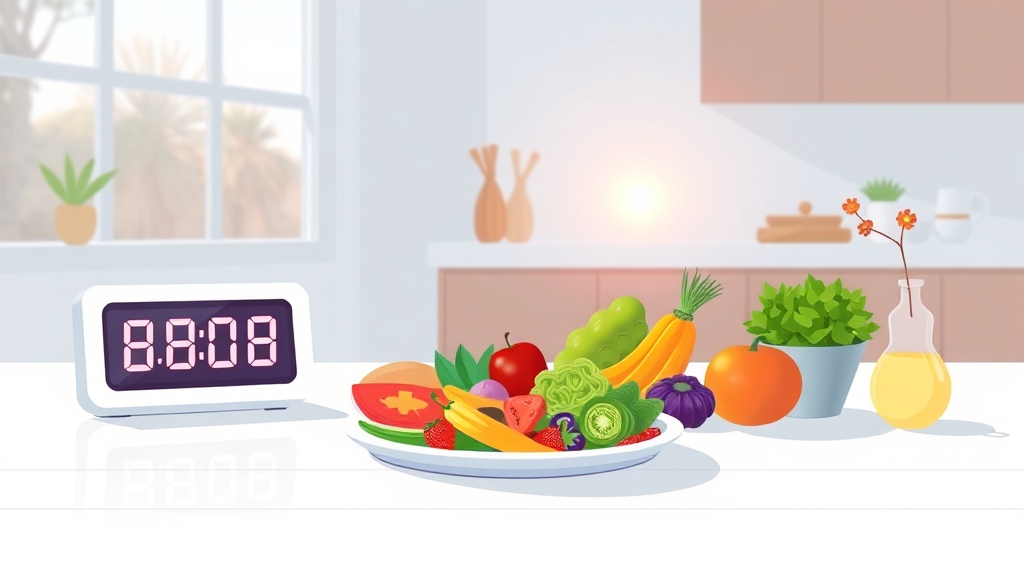
Bio‑Harmony Nutrition: Sync Your Meals with the Circadian Rhythm for Spring Energy

Alright, let's talk bio‑harmony. Imagine you could hack your kitchen clock to power through the spring slump without reaching for another cup of coffee. The secret isn’t a new gadget—it's timing your meals to the body’s internal clock.
Why does syncing meals with your circadian rhythm matter now?
Daylight Saving just rolled over, and your body’s 24‑hour schedule is still recalibrating. Research from the National Institute of Health shows that misaligned eating windows can blunt metabolic efficiency by up to 15‑120% (2025). In plain English: you’re burning fewer calories and feeling sluggish, even if you’re eating the same foods.
What’s the science behind circadian‑aligned nutrition?
Our master clock in the suprachiasmatic nucleus (SCN) synchronizes peripheral clocks in the liver, gut, and muscles. When you eat at odd hours, those peripheral clocks get out of sync, leading to insulin resistance, gut‑flora chaos, and a dip in alertness. A 2024 Harvard Medical School review details how breakfast‑heavy schedules boost glucose tolerance, while late‑night feasts sabotage it.
How can you apply bio‑harmony nutrition this spring?
Below is a practical, no‑fluff meal plan that respects the post‑DST shift and the longer daylight hours. Adjust the times by +/- 30 minutes based on your own wake‑up routine.
Morning (7 am – 10 am): Fuel the sunrise
- Protein‑rich start: 2 eggs + spinach + a dash of turmeric.
- Complex carbs: ½ cup oatmeal topped with berries (blueberries for antioxidants).
- Hydration: 250 ml water with a pinch of sea salt.
Mid‑day (12 pm – 2 pm): Keep the engine humming
- Balanced bowl: Quinoa, grilled salmon, roasted broccoli, and a lemon‑olive‑oil drizzle.
- Light snack (if needed): Handful of almonds.
Afternoon (4 pm – 6 pm): Light and easy
- Green smoothie: Kale, cucumber, green apple, and a scoop of whey.
- Optional: Small portion of dark chocolate (70%+) for a caffeine‑free lift.
Evening (8 pm – 9 pm): Wind down
- Low‑glycemic dinner: Zucchini noodles with pesto, a side of grilled chicken, and steamed asparagus.
- Herbal tea: Chamomile or mint (no caffeine).
What pitfalls should you avoid?
- Late‑night carbs: Anything sugary after 9 pm spikes melatonin suppression.
- Skipping breakfast: It throws off the SCN’s morning cue.
- Inconsistent timing: Your body thrives on regularity; jittery meal windows defeat the purpose.
How does this fit into the broader bio‑harmony lifestyle?
If you loved our sleep‑sync guide and the Spring Bio‑Harmony refresh, you’ll see how nutrition is the missing link. Pair the meal timing with the sleep schedule, and you’ll notice sharper focus, steadier energy, and fewer mid‑day crashes.
What’s the next step?
Start tomorrow. Log your eating windows for a week, compare energy levels, and tweak the timing by 15‑minute increments until you hit the sweet spot. Track it in a simple spreadsheet—no fancy app needed, just raw data you can trust.
Quick FAQ
Q: Can I still have coffee?
A: Yes, but keep it before 10 am. After that, caffeine interferes with melatonin.
Q: Is intermittent fasting compatible?
A: Absolutely. A 12‑hour eating window (7 am‑7 pm) aligns nicely with daylight hours.
Q: Do I need supplements?
A: Only if you’re missing nutrients—think vitamin D in winter, but spring sunlight usually covers that.
Stay wired.