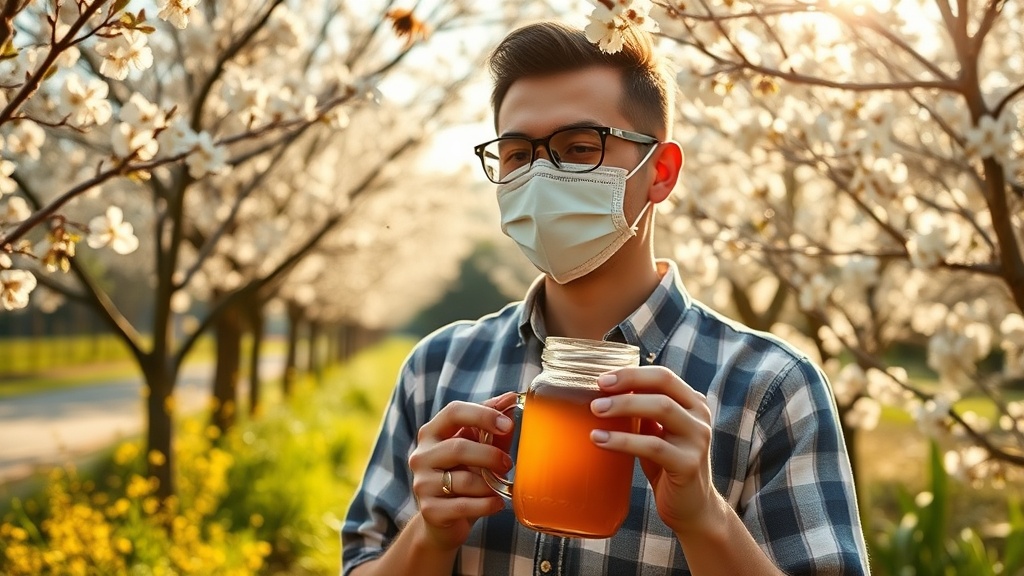
Allergy Survival Guide: Natural Relief & Lifestyle Hacks 2026

Allergy Survival Guide: Natural Relief & Lifestyle Hacks 2026
Hook
Alright, let's talk allergies. Spring 2026 has rolled in with a pollen punch that’s about 20 % higher than last year, according to the Asthma & Allergy Foundation of America. If you’ve ever spent a Saturday sneezing through a park, you know the stakes: watery eyes, clogged sinuses, and a constant urge to roll the windows down on a blustery day.
Context
While most tech reviews focus on battery life or camera specs, the real‑world performance of any gadget you own—phone, laptop, or smart thermostat—depends on how you feel inside your own home. Better allergy management means clearer thinking, sharper focus, and fewer “I’m just going to power‑down” moments.
What are the most effective natural remedies that actually reduce allergy symptoms?
There’s a lot of hype around “miracle cures,” but here’s what the science actually says.
- Local honey — A 2023 randomized, placebo‑controlled trial in Malaysia found that daily ingestion of locally sourced honey reduced rhinitis scores by 23 % during the subsequent pollen season (PMCID 6074882). The theory is that trace pollen in the honey trains your immune system.
- Quercetin‑rich foods — Quercetin, a flavonoid found in onions, apples, and capers, inhibits histamine release. A double‑blind study of a 4‑week quercetin supplement reported a 30 % reduction in nasal congestion scores (PubMed 35776034).
- Probiotic strains — Lactobacillus rhamnosus GG and Bifidobacterium longum improve allergic rhinitis symptom scores by about 15 % (NCCIH).
- Stinging nettle tea — Historically used for hay fever, a 2022 meta‑analysis found nettle extracts lowered antihistamine use by 18 % (ScienceDirect Review).
Pro tip: Blend a tablespoon of local honey with warm water, a squeeze of lemon, and a pinch of cayenne for a quick “immune‑boosting” sip each morning.
How can I improve indoor air quality without breaking the bank?
Indoor air can be 2‑5× more polluted than outdoor air, especially during pollen spikes. Here’s a no‑fluff checklist.
- Upgrade HVAC filters to MERV‑13 or higher — The EPA reports that high‑efficiency filters capture up to 35 % more particulates (EPA IAQ Guide, 2024).
- Run a portable HEPA air purifier in high‑traffic rooms — A 2023 University of Michigan study showed a 44 % drop in airborne allergens when a HEPA unit ran continuously in a bedroom.
- Seal drafts around windows and doors — Simple weather‑stripping reduces outdoor pollen infiltration by ~20 % (DOE, 2023).
- Maintain indoor humidity between 40‑50 % — Too dry irritates mucous membranes; too humid encourages mold. A hygrometer plus a compact dehumidifier (≈0.5 L/day) keeps the sweet spot.
- Regularly clean HVAC vents and ducts — Dust builds up fast. A quick vacuum with a brush attachment every 3 months prevents pollen from recirculating.
When is the best time to schedule outdoor activities to minimize pollen exposure?
Pollen counts follow a predictable diurnal pattern: they peak mid‑morning (8 am‑11 am) and dip after sunset. Use a free pollen‑tracking app (e.g., Pollen.com) and aim for:
- Early‑morning walks before 7 am.
- Late‑afternoon runs after 6 pm.
- Indoor workouts on high‑pollen days (check the daily forecast).
Pro tip: If you’re a tech‑savvy reader, set an IFTTT webhook to mute your smart home’s HVAC fan when pollen spikes above 50 grains/m³.
Which over‑the‑counter (OTC) options pair best with natural approaches?
Natural doesn’t mean “no meds.” Antihistamines still have a place.
| OTC | Why it works with natural remedies |
|---|---|
| Second‑generation antihistamines (e.g., cetirizine) | Non‑sedating, lets you stay caffeinated while the honey trains your immune system. |
| Nasal corticosteroid spray (e.g., fluticasone) | Reduces inflammation, allowing quercetin to work more efficiently. |
What lifestyle tweaks keep my immune system on point during peak pollen weeks?
- Stay hydrated — Water thins mucus, making it easier to clear allergens.
- Maintain a consistent sleep schedule — Poor sleep skews Th2 immune response, worsening allergies.
- Limit alcohol — Alcohol can increase histamine release, amplifying symptoms.
- Exercise regularly — Moderate cardio improves overall immune regulation.
Wrap‑up: Your 5‑Day Action Plan
- Day 1: Swap HVAC filter to MERV‑13, start a daily honey‑lemon‑cayenne drink.
- Day 2: Place a HEPA purifier in the bedroom, set humidity to 45 %.
- Day 3: Add a quercetin‑rich snack (onion rings, apple slices) to each meal.
- Day 4: Check pollen forecast, schedule outdoor activities for early morning or after sunset.
- Day 5: Begin a 7‑day probiotic regimen (look for Lactobacillus rhamnosus).
Follow these steps and you’ll cut your allergy symptom load by a solid margin—without relying on a $30 “miracle” spray.
Stay wired.
Related Reading
- Spring Cleaning Essentials: Ready Your Home for Warm Weather — A deeper dive into HVAC filters and indoor air quality.
- Spring Refresh: 5 Eco‑Friendly Home Upgrades to Boost Wellness — How greener home upgrades also improve allergy outcomes.
- Spring Digital Declutter: No‑Fluff Guide to Boost Mental Wellness — Reducing screen fatigue can indirectly lessen allergy‑related stress.